
What Is a Residential Care Home?
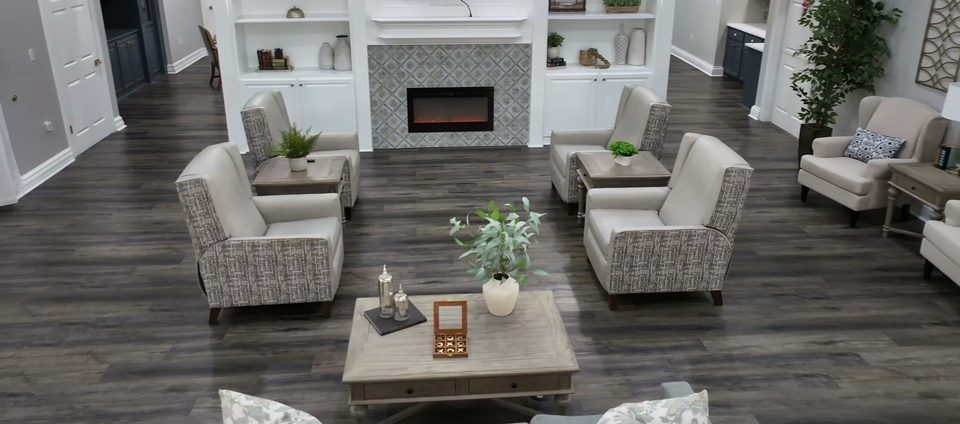
A residential care home is exactly what it sounds like: a real home in a real neighborhood, licensed and operated as a care setting for older adults. These homes typically serve a small number of residents, often six to twenty people, and are designed to feel like home because they literally are one.
Meals are typically home-cooked and served family-style at a shared table. Caregivers get to know each resident personally. The environment is quiet, intimate, and often far removed from the institutional feel that many families associate with “senior care.”
In Texas, Type A and Type B assisted living facilities are licensed and regulated by the Texas Health and Human Services Commission (HHSC).1 Smaller residential care settings including those serving 16 residents or fewer, operate under this same regulatory framework, ensuring consistent standards for safety, staffing, and care regardless of community size.
What Is Assisted Living?
Assisted living is a broad category that encompasses a wide range of residential care settings from intimate boutique homes to large communities housing 100 or more residents. What they share is a licensed, structured approach to helping seniors with activities of daily living (ADLs) like bathing, dressing, grooming, medication management, meals, and more.
Assisted living communities provide 24/7 staff coverage, organized activities and social programming, on-site wellness services, and a formal care plan for each resident; a definition that aligns with national consumer guidance from organizations like AARP.2
What varies enormously is size, ownership model, staff ratios, training standards, and the overall environment of care.This is where the comparison becomes more nuanced and more important. Not all assisted living communities are built the same, staffed the same, or operated with the same priorities.
How Silverleaf’s Boutique Model Bridges Both Worlds
Silverleaf Eldercare’s assisted living communities in Austin were intentionally designed to offer the best of both models; the intimacy and personal connection of a residential care home, with the structure, staffing, and programming depth of a licensed assisted living community. Each Silverleaf household serves no more than 16 residents, meaning caregivers truly know the people they’re caring for from their preferences and their histories to the family behind them.
Silverleaf is privately owned by Parker and Katherine Patterson not backed by a corporate real estate group or institutional investor. That independence shapes everything about how the communities operate, from how caregivers are hired and trained to how decisions are made about resident care.
Every caregiver at Silverleaf is trained in Teepa Snow’s Positive Approach to Care™ (PAC) before working with residents, a training standard that goes well beyond what Texas state regulations require.
Key Differences at a Glance
| Feature | Residential care home | Assisted living community |
|---|---|---|
| Size | Often six to twenty residents | From intimate boutique homes to communities of 100 or more residents |
| Setting | A real home in a real neighborhood | Larger communities serve many more residents in a purpose-built facility |
| Feel | Quiet, intimate, and familiar | Larger and more social |
| Licensing in Texas | Regulated by HHSC as a Type A or Type B assisted living facility | Regulated by HHSC as a Type A or Type B assisted living facility |
| Who it serves | Seniors who need support with daily living, not skilled nursing care | Seniors who need support with daily living, not skilled nursing care |
Is a Residential Care Home the Same as a Nursing Home?
No, and this is one of the most common points of confusion. A nursing home (also called a skilled nursing facility) provides a higher level of medical care for individuals who need ongoing clinical support including wound care, IV therapy, complex medication management, or rehabilitation following a hospitalization; a distinction commonly emphasized by aging policy organizations such as the National Council on Aging.3
Nursing homes are regulated under a separate licensing structure and are significantly more expensive.
A residential care home and an assisted living community are both designed for seniors who need support with daily living but do not require skilled nursing care. If your loved one’s needs evolve to require that level of medical support, the care conversation shifts, but most families researching assisted living are not at that point yet.
Which Type of Setting Is Right for Your Loved One?
There’s no universal answer, but here are the questions that matter most:
- Does your loved one prefer a quiet, home-like environment over a larger social setting? Smaller communities tend to feel more familiar and less stimulating, which can be especially beneficial for those living with dementia.
- How important is caregiver consistency? In smaller communities, your loved one is likely to develop genuine relationships with a consistent care team rather than rotating staff.
- What level of care does your loved one currently need and what might they need in the future? A community with a continuity of care model can serve your loved one as needs change, without requiring a disruptive move.
- Is specialized memory care needed now or likely in the future? Not every residential care home has staff trained specifically in dementia care. It’s important to ask directly.
At Silverleaf, we believe that high-quality, person-centered care doesn’t require a large building. It requires well trained people, a genuine care philosophy, and a commitment to knowing each resident as a whole person, not a care level.
If you’re weighing your options and would like to see what a boutique assisted living community actually looks like and feels like, we’d love to show you. Explore our locations: the Bee Cave campus in Austin, and a memory care residence under construction in Burnet. We’re always glad to talk through your options honestly, even if we’re not ultimately the right fit.
Frequently Asked Questions
What is the biggest difference between assisted living and a residential care home?
The most significant difference is typically size and environment. A residential care home operates in an actual house with a small number of residents (often 6 to 20), offering a highly intimate, home-like experience. Large, assisted living communities serve many more residents in a purpose-built facility. Both are licensed care settings, but they deliver care in very different environments. Smaller communities often offer higher staff-to-resident ratios and more consistent caregiver relationships.
Are residential care homes licensed in Texas?
Yes. In Texas, smaller assisted living settings including residential care homes are licensed and regulated by the Texas Health and Human Services Commission (HHSC) as Type A or Type B assisted living facilities, depending on the level of care provided and the mobility level of residents. Licensing ensures minimum standards for staffing, safety, and care quality regardless of community size.
Is a residential care home the same as a nursing home?
No. A nursing home (skilled nursing facility) provides a higher level of medical and clinical care for individuals with complex medical needs. Residential care homes and assisted living communities serve seniors who need help with daily activities but do not require the level of clinical intervention a nursing home provides. They operate under different licensing structures, serve different care populations, and have significantly different cost profiles.
Who is a residential care home best for?
Smaller, residential-style care settings tend to be a strong fit for seniors who value a quiet, familiar, home-like environment and who benefit from knowing their caregivers well and being known in return. This can be especially beneficial for individuals living with dementia, who often thrive with routine, familiarity, and lower levels of environmental stimulation. A loved one’s care needs, personality, and preferences should all guide the decision.
This article is intended as general educational information and does not constitute medical, legal, or financial advice. Care needs, costs, and payment programs vary by individual circumstance and may change over time. Please consult with a qualified healthcare professional, elder law attorney, or financial advisor for guidance specific to your loved one’s situation.
Sources
[1] Texas Health and Human Services.
“Assisted Living Facilities (ALF).”
Assisted Living Facilities (ALF) | Texas Health and Human Services
Accessed April 2026.
“What to Know When Choosing an Assisted Living Facility.”
https://www.aarp.org/caregiving/basics/assisted-living-options
Accessed April 2026.
[3] National Council on Aging.
“Does Medicaid Pay for Assisted Living?”
https://www.ncoa.org/article/does-medicaid-pay-for-assisted-living/
Accessed April 2026.
Questions about care for your family? Call (512) 831-5600 or send us a message.
Related reading