
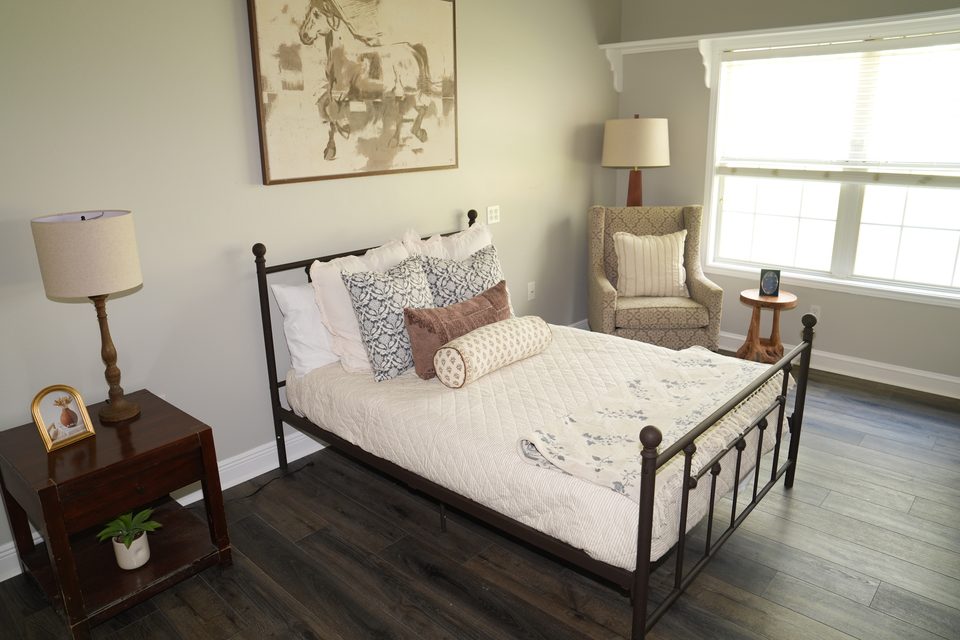
When it comes to senior care, many families face tough choices. With options such as assisted living and nursing homes available, it's easy to become overwhelmed as you try to determine what will best meet your loved one's needs. It's not just about where they'll live; it's about finding a place that offers the right mix of support and independence.
Understanding the key differences between these two types of facilities can help enlighten your decision-making process. Here, we'll break down how assisted living focuses on promoting autonomy with extra assistance for daily tasks, while nursing homes provide round-the-clock medical care for those facing bigger health challenges.
Introduction to Assisted Living
Assisted living facilities serve as a welcoming bridge for seniors who require a little help in their daily lives but still desire to maintain their independence. This blend of housing and personalized care allows residents to enjoy a supportive community without sacrificing autonomy.
In these facilities, individuals can expect tailored support services that cater specifically to their needs. For instance, while someone might require assistance with bathing or dressing, they also have the freedom to pursue hobbies like gardening, playing card games, or attending exercise classes. It's an enriching lifestyle, instead of feeling restricted, residents find themselves surrounded by choices that promote well-being and happiness.
What Are Nursing Homes?
Nursing homes are specialized facilities that cater to individuals who require constant medical attention and supervision. Unlike assisted living centers, which promote independence while providing daily assistance, nursing homes focus on delivering comprehensive medical services. This makes them well-suited for residents dealing with severe health issues or recovering from significant medical events such as surgeries or strokes.
Within a nursing home, you'll find a variety of healthcare professionals dedicated to ensuring the well-being of each resident. Regular visits from skilled nurses and doctors are common, these professionals conduct routine assessments to monitor health changes and offer necessary interventions.
Comparison at a Glance
| Feature | Assisted living | Nursing home |
|---|---|---|
| Level of care | Help with daily activities (bathing, dressing, meals) | 24/7 skilled nursing & medical supervision |
| Independence | High, residents maintain autonomy | Limited by medical needs |
| Atmosphere | Home-like, community focused | Clinical, hospital-like setting |
| Medical services | Medication management, coordinated healthcare | On-site medical staff, rehab, wound care, IV therapy |
| Activities | Robust social, recreational & fitness programs | Therapeutic activities, limited social programming |
| Cost | Generally lower than nursing homes | Higher due to medical staffing requirements |
Lifestyle and Daily Activities
Residents in assisted living facilities enjoy a vibrant lifestyle filled with diverse activities designed to cater to their interests and needs. Many residents partake in fitness classes tailored for seniors, ranging from gentle yoga sessions to dance classes, fostering both movement and social interaction. Additionally, hobbies such as gardening, painting, or crafting provide mental stimulation and a sense of accomplishment.
Here at Silverleaf Eldercare, we ensure not just extensive healthcare services but also a community where laughter and joy are part of everyday life.
Making the Right Choice for You
Selecting between assisted living and nursing homes is not merely about comparing costs; it requires an understanding of personal needs, comfort levels, and future expectations. The first step is to assess personalized needs. Do you require constant medical supervision or just some extra help with daily tasks like bathing, dressing, or medication management?
Generally, nursing homes are geared towards residents with extensive medical requirements, providing 24/7 medical attention. In contrast, assisted living facilities offer a home-like environment that encourages independence while still supporting those who need help with daily activities. Touring facilities puts you in a position where you can experience the atmosphere firsthand and interact with staff and residents.
At Silverleaf Eldercare, we're here to help you navigate this decision with confidence. Our intimate, home-like communities are designed for those who want exceptional care without losing their sense of self and home.
Frequently Asked Questions
What is the main difference between assisted living and a nursing home?
Assisted living blends housing with help for daily tasks like bathing, dressing, and medication management, while residents keep their independence. Nursing homes provide round-the-clock skilled nursing and medical supervision for people facing bigger health challenges or recovering from events such as surgery or a stroke.
Is assisted living less expensive than a nursing home?
Generally, yes. Nursing homes cost more because of their medical staffing requirements. Cost should not be the only factor, though: the right choice depends on your loved one's medical needs, comfort, and what the next few years may hold.
How do we decide between assisted living and a nursing home?
Start with an honest look at medical needs. Someone who needs constant medical supervision is better served by a nursing home; someone who needs extra help with daily tasks is often a fit for assisted living. Touring lets you experience the atmosphere and meet staff and residents firsthand.
Questions about care for your family? Call (512) 831-5600 or send us a message.
Related reading